When executing the following code, it just says the procedure is completed and doesn't print the infomation i want it to (firstName, lastName) and then the other values from the select query in a table below.
CREATE OR REPLACE PROCEDURE PRINT_ACTOR_QUOTES (id_actor char) AS CURSOR quote_recs IS SELECT a.firstName,a.lastName, m.title, m.year, r.roleName ,q.quotechar from quote q, role r, rolequote rq, actor a, movie m where rq.quoteID = q.quoteID AND rq.roleID = r.roleID AND r.actorID = a.actorID AND r.movieID = m.movieID AND a.actorID = id_actor; BEGIN FOR row IN quote_recs LOOP DBMS_OUTPUT.PUT_LINE('a.firstName' || 'a.lastName'); end loop; END PRINT_ACTOR_QUOTES; / When setting server output on, I get
a.firstNamea.lastName a.firstNamea.lastName a.firstNamea.lastName a.firstNamea.lastName multiple times!
08 Answers
What is "it" in the statement "it just says the procedure is completed"?
By default, most tools do not configure a buffer for dbms_output to write to and do not attempt to read from that buffer after code executes. Most tools, on the other hand, have the ability to do so. In SQL*Plus, you'd need to use the command set serveroutput on [size N|unlimited]. So you'd do something like
SQL> set serveroutput on size 30000; SQL> exec print_actor_quotes( <<some value>> ); In SQL Developer, you'd go to View | DBMS Output to enable the DBMS Output window, then push the green plus icon to enable DBMS Output for a particular session.
Additionally, assuming that you don't want to print the literal "a.firstNamea.lastName" for every row, you probably want
FOR row IN quote_recs LOOP DBMS_OUTPUT.PUT_LINE( row.firstName || ' ' || row.lastName ); END LOOP; - Ensure that you have your Dbms Output window open through the view option in the menubar.
- Click on the green '+' sign and add your database name.
- Write 'DBMS_OUTPUT.ENABLE;' within your procedure as the first line. Hope this solves your problem.
Set Query as below at first line
SET SERVEROUTPUT ON this statement
DBMS_OUTPUT.PUT_LINE('a.firstName' || 'a.lastName');
means to print the string as it is.. remove the quotes to get the values to be printed.So the correct syntax is
DBMS_OUTPUT.PUT_LINE(a.firstName || a.lastName); For SQL Developer
You have to execute it manually
SET SERVEROUTPUT ON After that if you execute any procedure with DBMS_OUTPUT.PUT_LINE('info'); or directly .
This will print the line
And please don't try to add this
SET SERVEROUTPUT ON inside the definition of function and procedure, it will not compile and will not work.
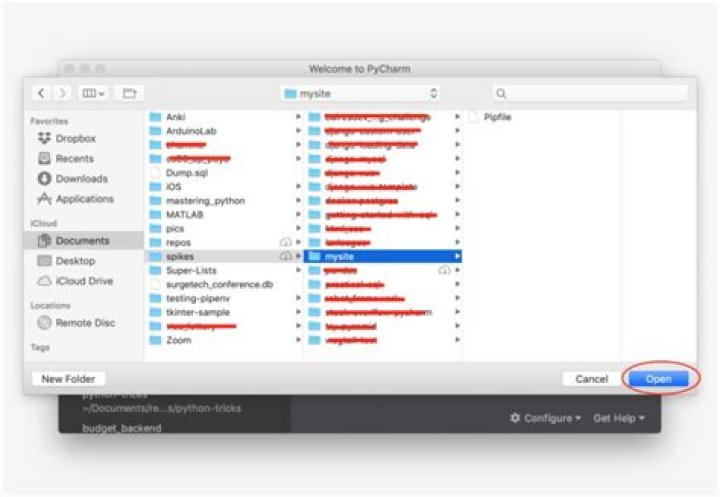
In Oracle SQL Developer, you can follow steps by steps as the below image:
I am using Oracle SQL Developer,
In this tool, I had to enable DBMS output to view the results printed by dbms_output.put_line
You can find this option in the result pane where other query results are displayed. so, in the result pane, I have 7 tabs. 1st tab named as Results, next one is Script Output and so on. Out of this you can find a tab named as "DBMS Output" select this tab, then the 1st icon (looks like a dialogue icon) is Enable DBMS Output. Click this icon. Then you execute the PL/SQL, then select "DBMS Output tab, you should be able to see the results there.
All of them are concentrating on the for loop but if we use a normal loop then we had to use of the cursor record variable. The following is the modified code
CREATE OR REPLACE PROCEDURE PRINT_ACTOR_QUOTES (id_actor char) AS CURSOR quote_recs IS SELECT a.firstName,a.lastName, m.title, m.year, r.roleName ,q.quotechar from quote q, role r, rolequote rq, actor a, movie m where rq.quoteID = q.quoteID AND rq.roleID = r.roleID AND r.actorID = a.actorID AND r.movieID = m.movieID AND a.actorID = id_actor; recd quote_recs%rowtype; BEGIN open quote_recs; LOOP fetch quote_recs into recs; exit when quote_recs%notfound; DBMS_OUTPUT.PUT_LINE(recd.firstName||recd.lastName); end loop; close quote_recs; END PRINT_ACTOR_QUOTES; /