As of March 2022 VirtualBox supports only x86 and AMD64/Intel64 and doesn't support ARM-based systems like Apple M1.
Parallels Desktop for Mac supports Apple M1 chip but requires you to buy a license.
Are there an open source solution for running Ubuntu Linux virtual machine on MacOS with Apple silicon (M1 chip)?
1 Answer
UTM
UTM is a full featured open source virtual machine host for MacOS that supports Apple silicon (M1 chip) -
Follow the instructions to install Ubuntu on UTM -
In my experience there are a few issues with UTM and there is an easier way to run an Ubuntu VM on MacOS.
Multipass
Multipass allows launching and managing Ubuntu VMs with a few CLI commands -
Download Multipass for MacOS -
Run the installer to install Multipass.
Verify the installation:
multipass --help Launch Ubuntu 20.04 LTS VM called MyUbuntu (2 CPUs, 3GB RAM, 10GB HDD):
multipass launch --cpus 2 --mem 3G --disk 10G --name MyUbuntu 20.04 Mount a home directory to share data between your host and the VM instance:
multipass mount $HOME MyUbuntu:Home Open a shell prompt on a VM instance:
multipass sh MyUbuntu Inside the VM shell you are logged as ubuntu user with passwordless sudo.
Interact with the instance, for example list mounted home directory:
ls ~/Home/ If you want to have GUI, install Ubuntu Desktop and xrdp:
sudo apt update sudo apt install ubuntu-desktop xrdp Set password for user ubuntu
sudo passwd ubuntu Reboot the VM instance:
sudo reboot Wait for the VM to restart.
Find the IP address (IPv4) of the VM:
multipass ls Name State IPv4 Image MyUbuntu Running 192.168.xx.xx Ubuntu 20.04 LTS Or find the IP address using jq in a single command:
multipass ls --format json | jq ".list[0].ipv4[0]" Install Microsoft Remote Desktop -
Open Microsoft Remote Desktop.
Click Add PC:
- PC name:
<VM instance IP address> - Friendly name: MyUbuntu

Click Add User Account...:
- Username: ubuntu
- Password:
<your password> - Friendly name: ubuntu
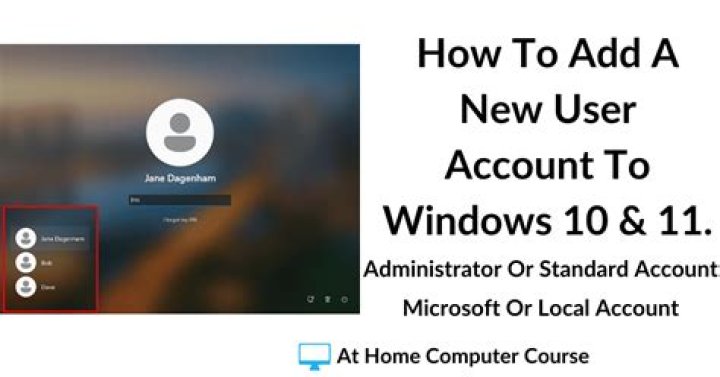
MyUbuntu click ... > Connect

After entering the password enjoy Ubuntu Desktop:
To delete the VM instance run:
multipass delete MyUbuntu multipass purge